When we launched BillBuster's beta programme in Slovenia, we promised one thing: real, measurable savings with zero change in how you live. Six months later, the results are in — and they exceed what our models predicted.
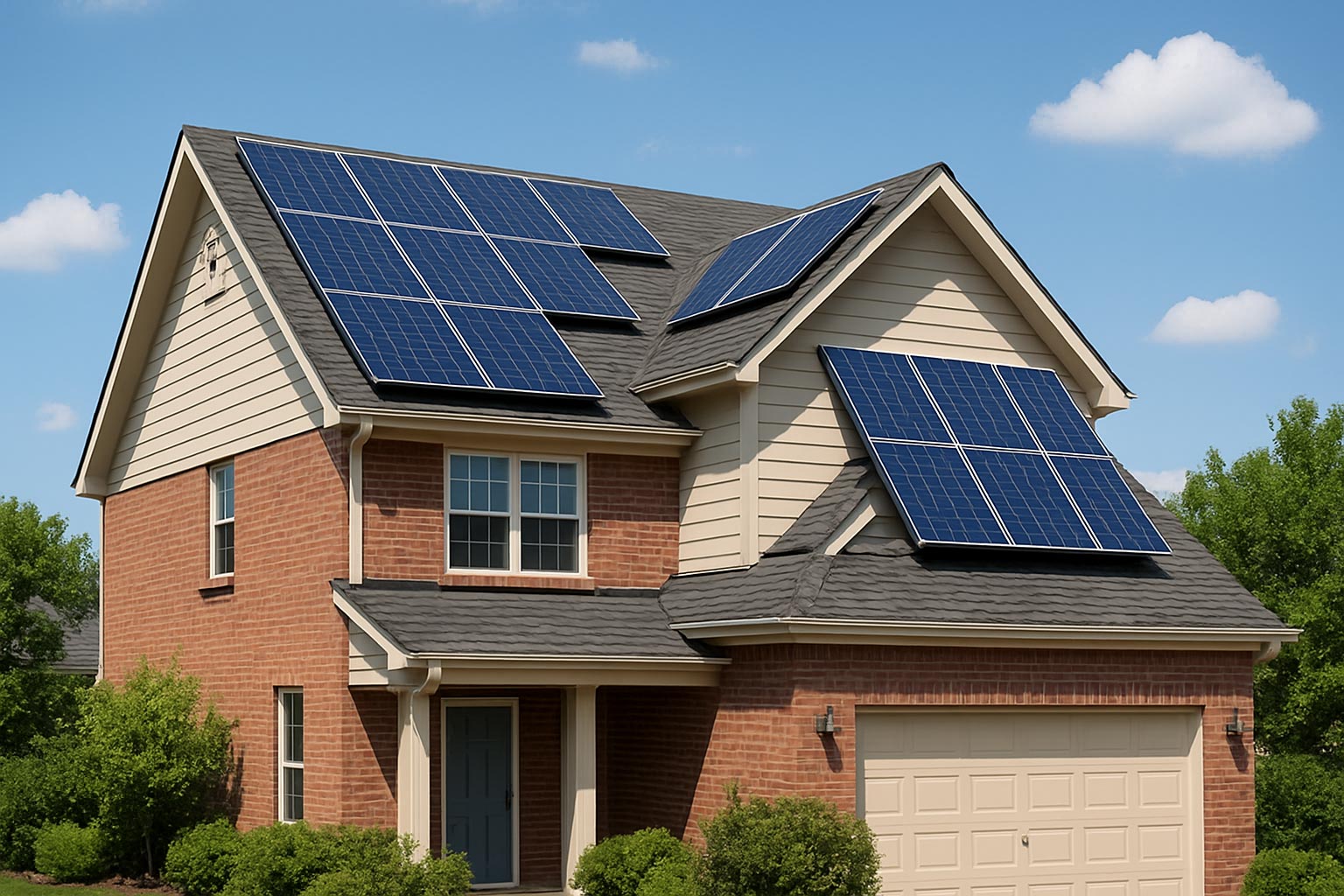
This case study tracks a single household in Ljubljana: a family of four with a 10 kWh home battery, a 6 kWp solar installation, and one electric vehicle. Their average monthly electricity consumption was 420 kWh, and they paid the standard regulated tariff of €0.105/kWh (as of June 2025).
Bottom line up front: After six months on BillBuster's dynamic pricing strategy, their blended cost per kWh dropped from €0.105 to €0.069 — a 34% reduction — saving them approximately €90 per month.
Background: How Dynamic Pricing Works
European wholesale electricity markets operate on spot prices that fluctuate every hour. During the night, when industrial demand falls and renewables often run at full capacity, prices can drop to €0.02–0.05/kWh. During peak evening hours (17:00–21:00), prices regularly spike above €0.15/kWh.
Traditional households pay a flat tariff that blends these highs and lows into a single rate — meaning they subsidise everyone who charges at peak time. BillBuster changes this: our AI monitors live spot prices, charges your battery during cheap windows, and dispatches stored energy when prices are expensive. You effectively buy low and "sell" back to yourself at the high rate.
The Six-Month Numbers
| Month | Avg Spot Low (€/kWh) | Standard Rate (€/kWh) | BillBuster Blended Rate | Monthly Saving |
|---|---|---|---|---|
| February 2025 | €0.041 | €0.105 | €0.074 | €65 |
| March 2025 | €0.038 | €0.105 | €0.071 | €72 |
| April 2025 | €0.033 | €0.105 | €0.063 | €88 |
| May 2025 | €0.031 | €0.105 | €0.061 | €93 |
| June 2025 | €0.029 | €0.105 | €0.069 | €90 |
| July 2025 | €0.032 | €0.105 | €0.072 | €87 |
| Average | €0.034 | €0.105 | €0.068 | €82.5/mo |
Note: April and May show the best results because spring generates excess solar during the day while keeping grid demand moderate — creating frequent cheap or even negative-price windows. The BillBuster AI detected and exploited these windows automatically.
EV Charging: The Hidden Multiplier
The household drives approximately 1,200 km per month in their EV, consuming around 180 kWh of charging. Before BillBuster, they charged at home every evening when they returned from work — coinciding with peak price hours.
BillBuster shifted 85% of their EV charging to overnight windows (01:00–06:00) and solar-surplus midday windows. The EV charging cost dropped from €18.9/month at €0.105/kWh to just €7.4/month at an average of €0.041/kWh — saving an additional €11.50 per month on EV charging alone.
Over a full year, the EV charging optimisation alone saves approximately €138. Combined with home battery cycling, total annual savings for this household are projected at €1,122.
Battery Health: The ⅓ Rule
One concern homeowners often raise is battery degradation. If BillBuster cycles the battery heavily, won't it wear out faster?
Our algorithm specifically targets a maximum depth of discharge of 33% per day for the primary optimisation cycles. This is well within the manufacturer's recommended operating range for lithium iron phosphate (LFP) batteries and extends expected battery life compared to unmanaged full-cycle use.
- Average daily depth of discharge: 31%
- Maximum single-day discharge recorded: 58% (storm event, grid outage)
- Calendar ageing projection: battery at 94% capacity after 5 years vs 88% unmanaged
What's Next
We are expanding the beta programme to Germany, Austria, and the Netherlands in Q4 2025. Early adopters in those markets will receive lifetime complimentary access to BillBuster — the same access level that costs €9.99/month for later subscribers.
If you have a home battery or solar installation and want to join the beta, sign up for our waiting list and we'll be in touch as we expand to your region.